Pediatric Otoplasty Specialist: Fix Protruding Ears in Houston
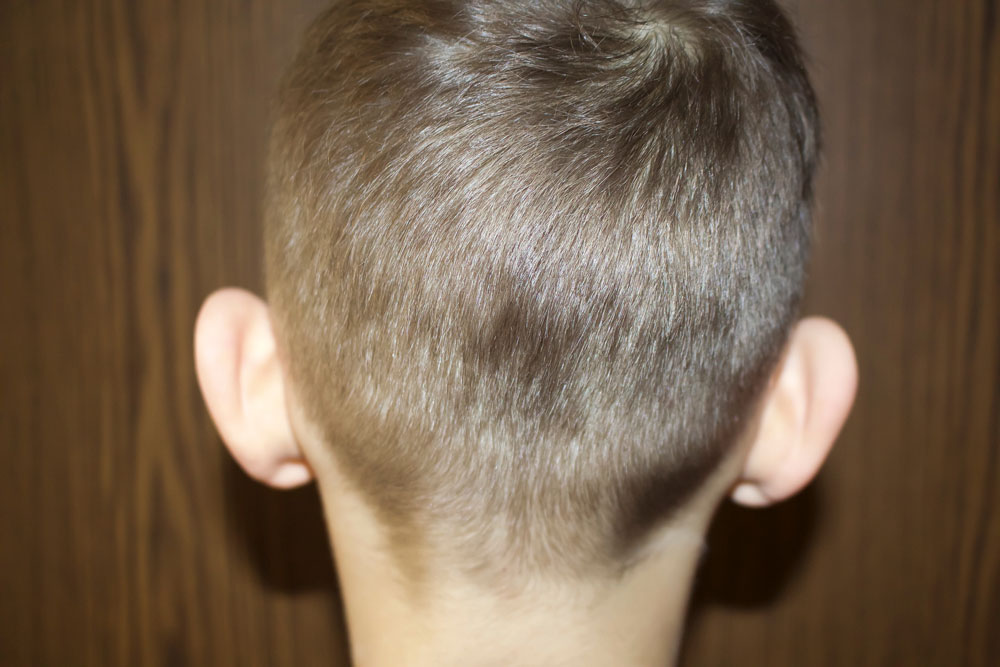
If your child has prominent ears and you have noticed it affecting their confidence or comfort levels at school, you are not alone. Protruding ears are a common concern in childhood, and one that has options for correction. At Texas Liposuction Specialty Clinic in Houston, board-certified plastic surgeon Dr. Eric Payne offers otoplasty for minors to reposition and reshape the outer ear.
About Prominent Ears
Prominent ears are a very common congenital difference of the head and neck, affecting roughly 5% of children. This prominence happens when the cartilage of the outer ear does not fold as much during development or when the bowl of the ear is too deep and pushes the ear away from the head. This trait often runs in families.
What Brings Patients to Our Office
A Comment at School That Stayed With the Child
Teasing about ears is common amongst peers, and prominent ears can lead to bullying and lower self-esteem in some school-age children. While there is nothing wrong with protruding ears, even one offhand remark from a classmate can stay with a child. If they have started dreading school or asking about their ears, parents may look into otoplasty.
A Child Who Stops Wearing Certain Hairstyles
Some children have difficulty voicing their discomfort, but may adjust their behavior to hide their ears. If a child who used to wear ponytails or short haircuts suddenly refuses them and chooses styles that cover the sides of the head, this may be something to take note of and can be the first sign a parent notices.
A Parent Who Had Protruding Ears and Does Not Want History to Repeat
Many parents have prominent ears themselves and remember how it felt growing up. Because the trait is hereditary, they recognize it early in their own child. These parents often act sooner, hoping to spare their child the experiences they went through.
Can Children Grow Out of Ear Protrusion?
Once the cartilage of the ear forms, it will not flatten or move closer to the head without intervention. Ears reach close to adult size early in childhood, so the shape that they are at age five will be the same at fifteen or later. This is also why surgical correction is feasible for children.
When Can Children Get Otoplasty?
Otoplasty can be performed once the ears have reached complete maturity at around age five. It can be done at any age after this, though some parents choose to have it performed before early school years. Dr. Payne evaluates each child individually to make sure the timing is right.
Why Choose Dr. Payne for Pediatric Ear Surgery
Pediatric ear surgery calls for training that goes beyond general cosmetic work. It is important to find a surgeon who has experience working with children, as well as all of the necessary qualifications, including:
- Board Certification in Plastic Surgery: Dr. Payne is board-certified by the American Board of Plastic Surgery and serves as president of the Houston Society of Plastic Surgeons (2025-2026).
- Craniofacial Training: Dr. Payne completed a fellowship in craniofacial and pediatric plastic surgery in Dallas and a reconstructive fellowship at the Texas Medical Center in Houston. This training is focused specifically on the structures of the head and face, including the ear.
- Experienced Pediatric Surgeon: Dr. Payne has operated on children across multiple continents through humanitarian work with the Cronin and Brauer Cleft Lip and Palate Clinic and Operation San Jose in Mexico. He has repaired cleft lips and reconstructed faces for young patients who had no other options.
What to Expect From a Pediatric Otoplasty Consultation
At the consultation, Dr. Payne reviews your child’s medical history and examines the ears in person. He explains exactly what is causing the protrusion and what surgery can realistically change. Your child will be included and reassured in a way they can understand, and you will leave with a detailed plan and a cost breakdown. You can also review our otoplasty before-and-after photos from past patients.
What Questions to Ask Before Scheduling
Dr. Payne will likely answer most of your questions naturally during the consultation, but it can help to write down a few things to discuss, including:
- Will my child need general anesthesia? Younger children usually receive general anesthesia for comfort and safety, while older children can have it under local anesthesia with sedation.
- How soon can my child go back to school? Children can return within one to two weeks, but parents often schedule surgery so they can heal fully before going back.
- Will the scars be visible? Incisions are placed behind the ear in the natural crease, where they stay well hidden.
- Is pediatric otoplasty permanent? Otoplasty makes permanent changes to the ear cartilage.
- What if my child is scared of the procedure? Dr. Payne works regularly with children and knows how to reassure and calm them to keep them comfortable.
- Can both ears be corrected at the same time? Correcting both ears in one surgery is standard and avoids a second recovery.
What Is the Difference Between Pediatric Otoplasty and Ear Molding?
Ear molding is a non-surgical treatment that is performed only on newborns. While the cartilage is still soft in the first weeks of life, a mold can reshape the ear without incisions. It cannot work on older children because the cartilage has hardened. Pediatric otoplasty is the only option once a child is past infancy.
What Recovery Looks Like for a Child After Otoplasty in Houston
After surgery, your child’s ears will be covered with bandages. They may experience some mild itching, swelling and discomfort. You can manage any soreness with the medications and doses that Dr. Payne recommends. For the first week, your child will wear a head wrap, then they will switch to a headband to continue protecting the ears for the next five weeks. You will need to help them avoid strenuous exercise or sleeping on their side. Stitches will be removed at the end of the first week.
How to Time Pediatric Otoplasty
Many families schedule surgery during the summer or a school break so their child can recover without missing class. The full healing timeline is a factor here, since a wrap or headband is worn for the first six weeks. Booking surgery early in a break gives the ears time to settle before your child returns to a classroom setting. Because consultation and surgery dates fill up ahead of summer and winter breaks, reaching out a few months in advance gives you the most flexibility.
Schedule a Pediatric Otoplasty Consultation With Dr. Payne in Houston
To learn whether otoplasty is right for your child, contact Texas Liposuction Specialty Clinic at 713-750-9413 to schedule a consultation. You can also explore otoplasty options and review financing before your visit.