Will I Have Noticeable Facelift Scars?
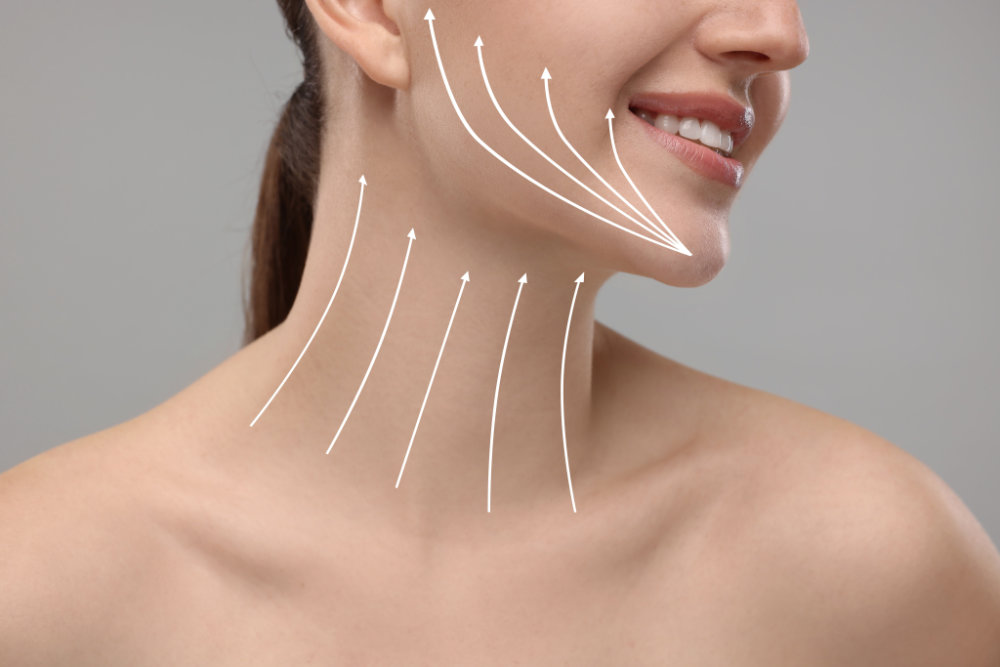
A facelift can provide meaningful facial rejuvenation, with results that are more noticeable and longer-lasting than nonsurgical options. However, scars are an undeniable consideration and part of the decision-making process.
When performing facelifts, plastic surgeons place incisions carefully so scars are as discreet as possible, but they are still a reality of facelift surgery. At Texas Liposuction Specialty Clinic, patients in Houston often ask how visible facelift scars may be and what can be done to minimize them. We will explain where scars typically form, how their appearance can be reduced and how proper incision helps scars fade over time.
Will I Have Facelift Scars?
Facelift surgery does result in some scarring because incisions are required to reposition and tighten facial tissues, but these incisions are well-hidden, typically placed within the natural hairline and curving around the ears. It is unlikely anyone will be able to see them once they’ve healed.
While scars cannot be eliminated entirely, you can ensure optimal healing with proper aftercare. Keeping the area clean, avoiding excessive sun exposure (which can permanently darken scar tissue) and using silicone-based gels or sheets as directed by Dr. Payne can help ensure softer, flatter scars that are barely noticeable.
Why Do Facelift Scars Occur?
Facelift scars form as part of the body’s natural healing response after the skin is incised and repositioned. When an incision is made, the body produces collagen fibers to close and strengthen the area, which creates a scar as the tissue repairs itself.
The final appearance of that scar is influenced by factors such as incision length, skin tension during closure, individual healing tendencies and how well blood supply supports the area. Facial skin tends to heal differently from other parts of the body, which is why careful surgical planning and precise closure techniques matter when managing visible scarring.
Where Facelift Scars Are Typically Hidden
Full Facelift
A full facelift usually involves longer incisions that begin at the temples near the hairline and continue around the front of the ears. The incision may also extend behind the ears and into the lower scalp. These incisions follow natural creases and are concealed within the hairline and ear folds. Once healed, they blend into these hidden zones, especially with proper care during facelift recovery.
Mini Facelift
A mini facelift uses shorter incisions, typically confined to the area around the ears. The scar is usually tucked just in front of the ear, curving slightly into the hairline above or behind the ear, depending on theyour surgeon’s approach. Because the incision is smaller and doesn’t extend as far, the scar is easier to hide and may be less noticeable overall.
Facelift With Neck Lift
When a neck lift is performed with a facelift, we add an incision under the chin to treat loose skin, excess fat, or banding in the neck. This will create an additional 1 to 2-inch scar in the area, but it is well-hidden. The main facelift incisions remain around the ears and are positioned in the same concealed locations.
The Facelift Healing Process and Scar Maturation
In the first couple of weeks, incisions typically look pink or red and may feel slightly raised as the skin begins to close. Bruising and swelling in the area can make scars look more prominent early on. During the next few months, collagen continues to build under the surface, and the scar gradually becomes flatter and less red. Around the six-month mark, the scar usually begins to soften and fade, although the final appearance may not be fully settled for a year or more.
Every healing timeline is slightly different, but consistency in aftercare can make a noticeable difference in how scars mature.
What Can You Do to Support Scar Healing?
Supporting scar healing starts with closely following all post-surgical instructions, especially in the first few weeks. Keep your incisions clean and dry, and avoid applying any creams or ointments unless specifically directed. Sun exposure can darken scars permanently, so cover the area any time you go outside and apply medical-grade sunscreen after the incisions have healed enough.
Once cleared by your surgeon, you may be able to use silicone gels or sheets to help flatten and soften scars. Give your skin the resources it needs to heal by staying hydrated and eating nutrient-rich foods. Scar massage, when appropriate, may help improve circulation and break down tight tissue, but timing and technique should always be discussed with your provider first.
What Factors Can Impact Scar Visibility?
The skill level and precision of the surgeon performing the facelift procedure make a difference in how visible the scars become during healing. A well-trained surgeon knows how to position incisions along natural contours, manage skin tension and close tissue so that scars are as little visible as possible. Talk to your surgeon about their technique and how they plan to handle your skin during surgery to minimize your scars, and make sure you choose a surgeon like Dr. Payne who has years of experience in facial surgery. Other important factors include:
- Skin Characteristics: Factors such as skin thickness, elasticity and pigmentation can affect scar color and texture. Thicker or more oily skin may take longer to settle, while thinner skin tends to show scar edges more easily. Age can also affect healing speed and how well the skin blends around incision lines.
- Post-Operative Care: Aftercare decisions are one of the most controllable factors affecting scar visibility. Keep the incision site clean, avoid tension in the area and follow all aftercare instructions. Make sure to wait until your surgeon approves products like silicone scar treatments or gentle massage to avoid irritation and support collagen remodeling.
- Smoking and Nicotine Use: Nicotine restricts blood flow and limits the oxygen supply to healing tissue. The delay can result in thicker, more noticeable scars. Avoid all nicotine products before and after your surgery.
Make an Informed Decision About Facelift With a Consultation in Houston, TX
A facelift can produce noticeable and longer-lasting results when performed by the right surgeon and followed by proper healing protocols. At Texas Liposuction Specialty Clinic, Dr. Eric Payne uses his experience in craniofacial surgery to place incisions in discreet areas while balancing structural improvements with an artistic eye. Serving Houston, TX, our clinic focuses on facial rejuvenation and body contouring procedures that are refined through extensive surgical training.
To speak with us directly, call 713-750-9413 or reach out through our online form.